

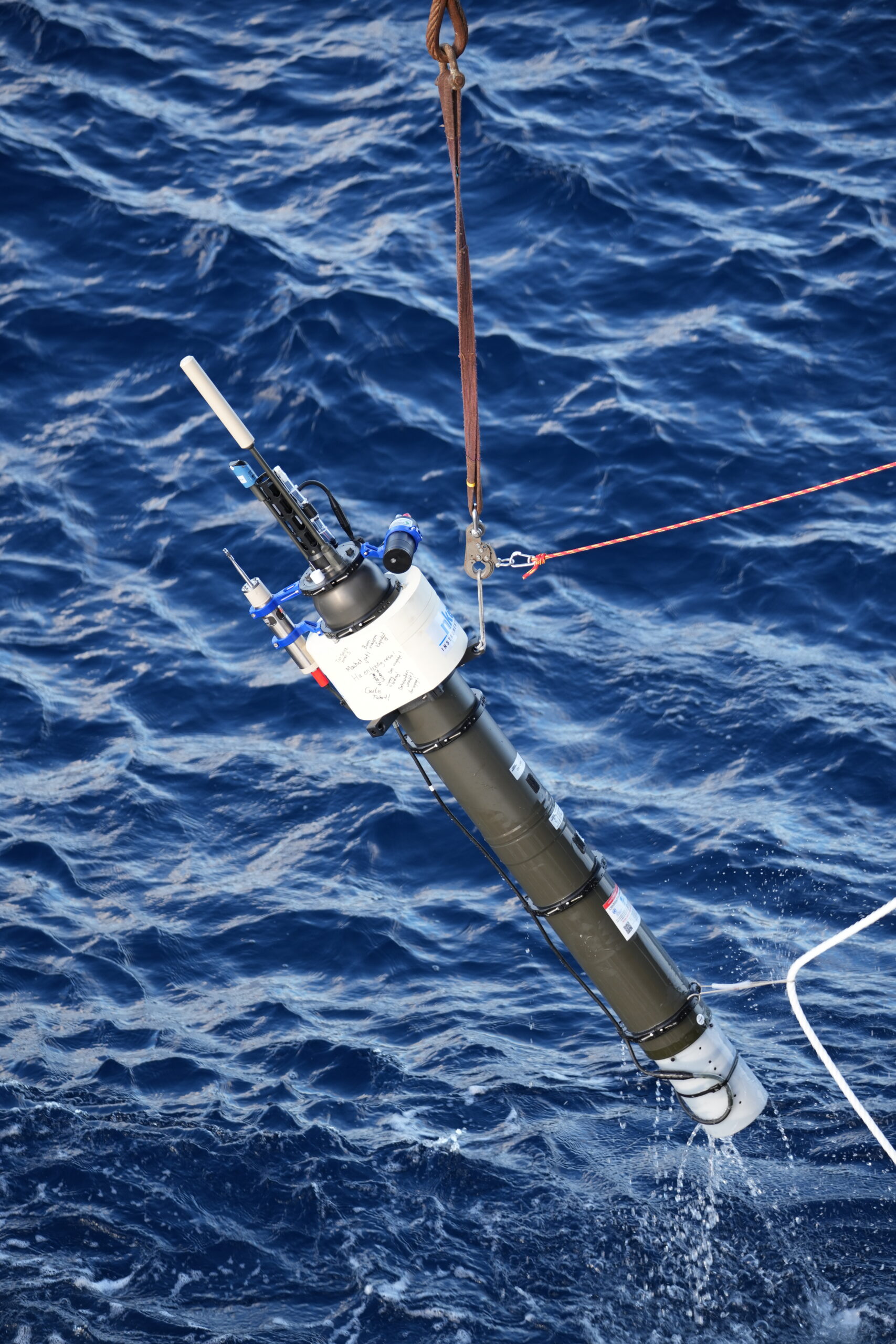
We made our way to the southern boundary of the anticyclone (i.e. counter-clockwise), embedded in relatively warm water that sits on top of nutrient rich sub-Antarctic waters. Here, the distribution of biogeochemical properties are strongly influenced by frontal dynamics, making this an interesting study area. We chose the region as our second superdeployment. The focus on physical-biological interactions here makes this superdeployment different from our first at the center of the anticyclone.
We began our operations by deploying two floats, the first a standard Argo float equipped with a highly sensitive ocean turbulence package, and the second a BGC Argo float packed with sensors to monitor the biogeochemical properties of the ocean, including fluorescence, oxygen, and a novel miniaturised Underwater Vision Profiler 6 (UVP6). The floats are designed to drift with the current along the edge of the eddy, profiling the top 800 m of the ocean twice per day, drifting for years (we hope) along the unpredictable ocean circulation. Whatever their fate, they will provide information about the state of the ocean within the BGC Argo observation network.
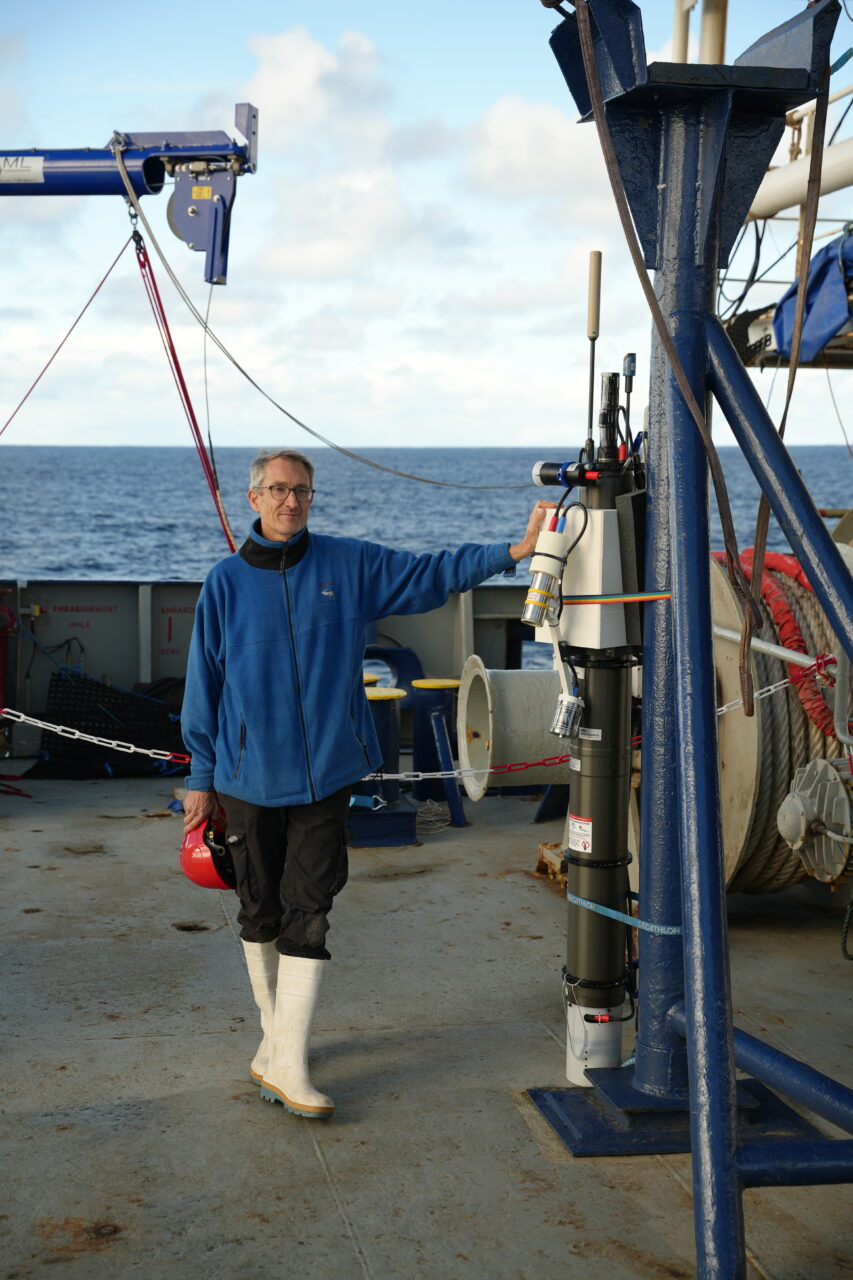
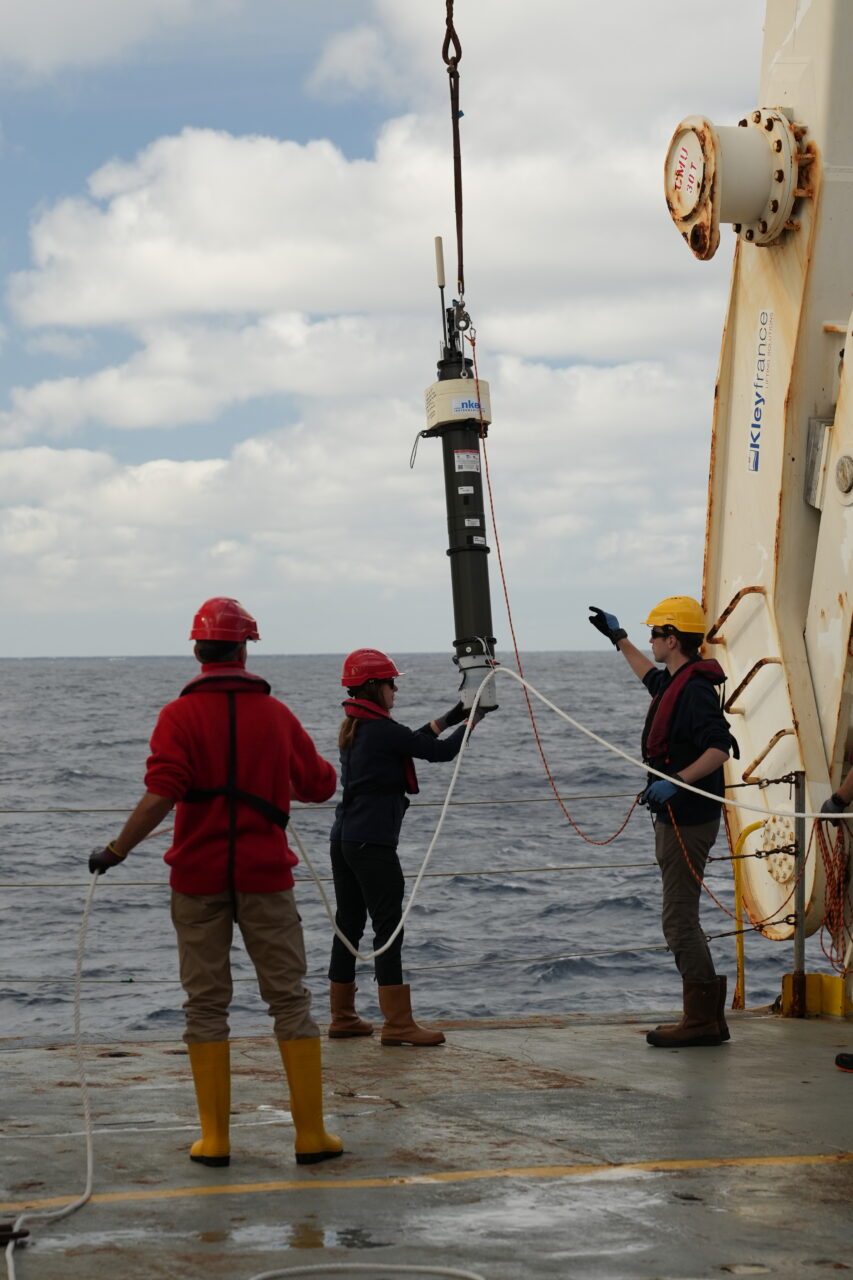
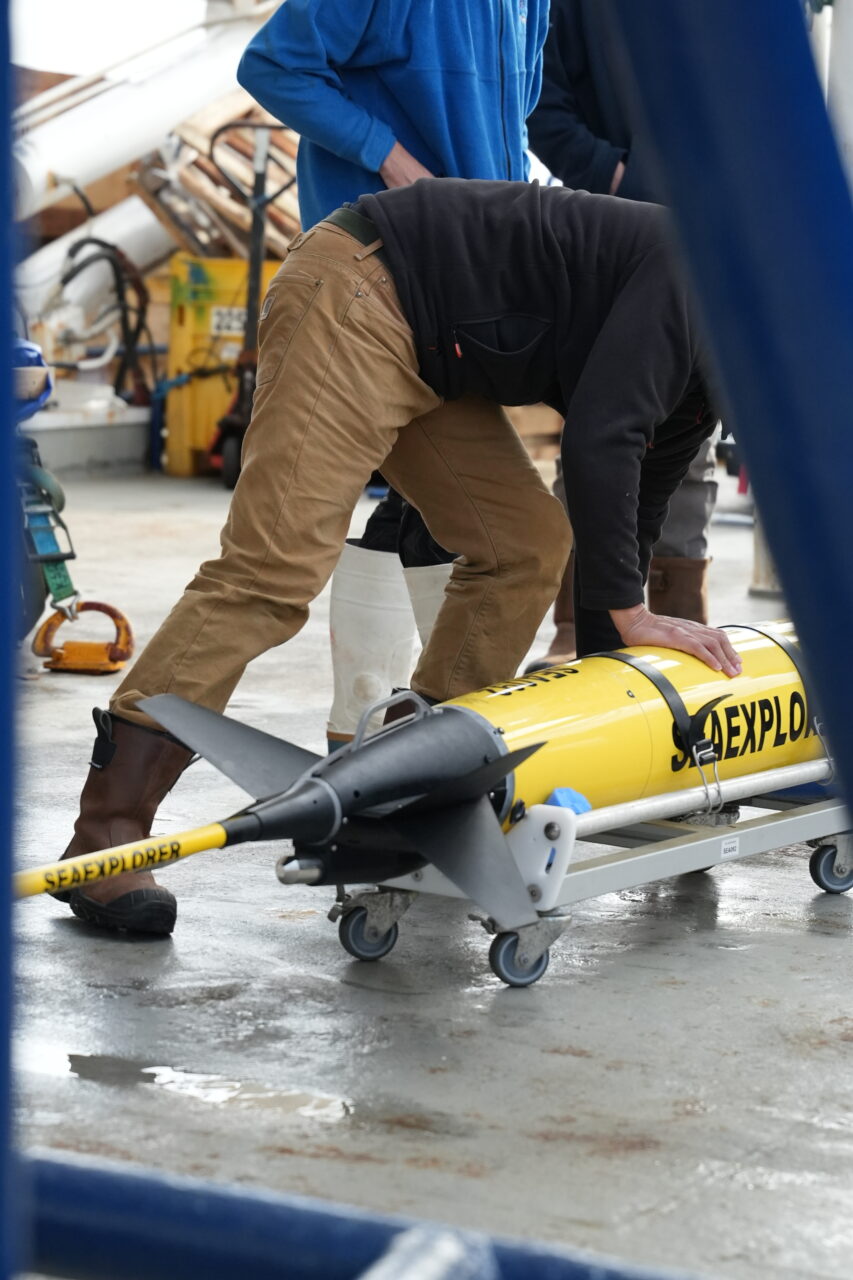
Next, two underwater gliders were craned off the aft deck and sent on their way to circulate through the frontal structures of the eddies. Besides their standard temperature, salinity and oxygen sensors, they both were equipped with specialised biogeochemical sensors. The Seaglider (affectionately named “Tosca” after a Swedish almond cake) carries a SUNA sensor to reveal the nitrate structure of the upper ocean, while the second Seaexplorer carries a UVP to detect and take images of plankton and marine snow moving in the water. These measurements are at the basis of the marine food web and also important players in biogeochemical cycles. A key focus is to observe how these plankton and marine snow are entrained by the horizontal and vertical circulation along the edge of the eddy structures. The Seaexplorer will be recovered after 3 weeks of monitoring, while the Seaglider will remain for several months beyond the lifetime of the expedition. These datasets will help us to understand the coupling between ocean circulation and plankton life.
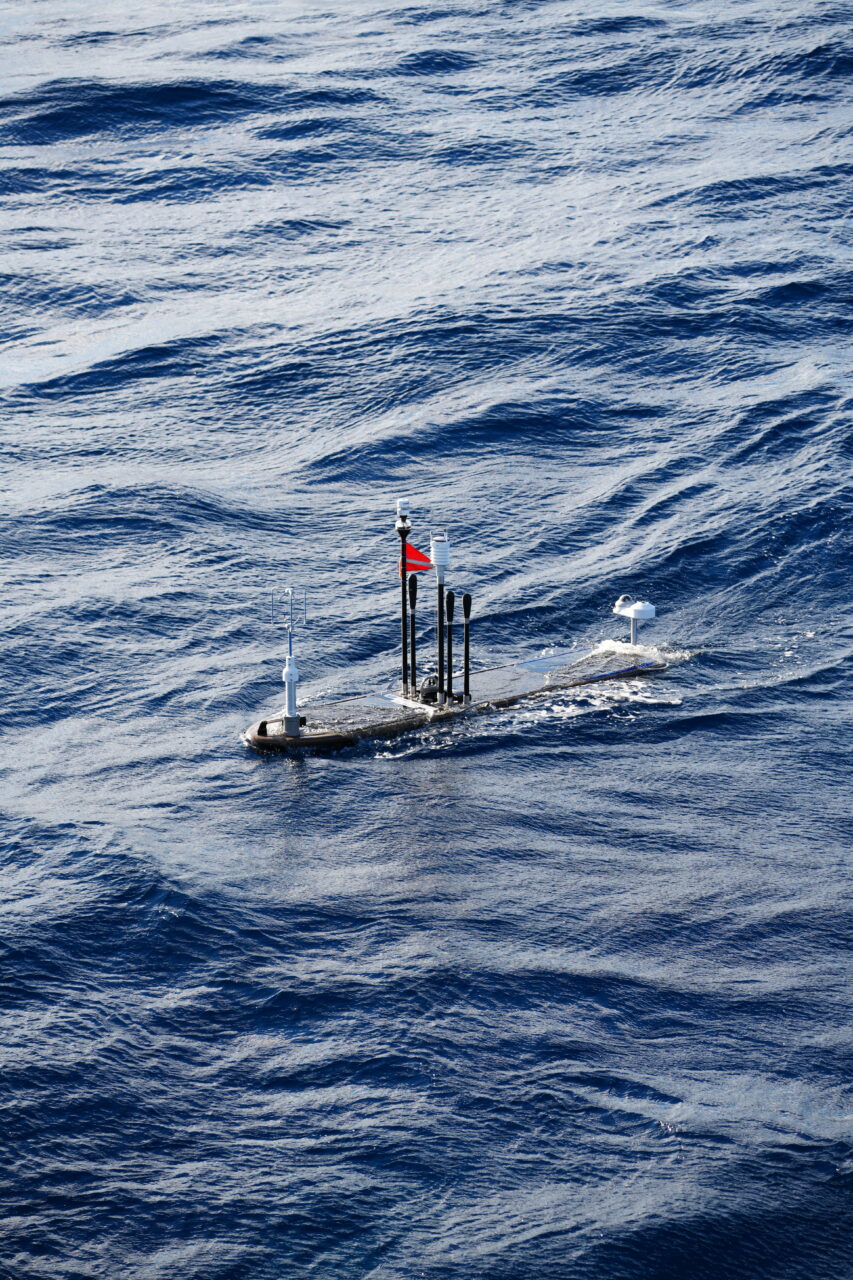
Lastly, a Wave Glider (nicknamed “Melktert”, a typical South African milk cake) was deployed. Similar to the Wave Glider deployed in the first station, this uncrewed surface vehicle remains at the air-sea interface, simultaneously measuring properties of the atmosphere, such as wind speed and standard meteorology. In the ocean, it is equipped with sensors to measure the temperature and salinity and ocean currents. Uniquely, Melktert houses a VeGAS pCO2 sensor, which measures the partial pressure of dissolved carbon dioxide in the water and atmospheric concentration. This offers precious information on the direction and magnitude of the CO2 exchange between the ocean and atmosphere.
We are now over a week since the deployment and true to form, the unpredictable nature of the ocean has taken hold. While all the platforms immediately shot northwards through the intense frontal region between the eddy dipole, they said their farewell upon emerging on the other side. The Seaexplorer took a sharp eastward turn and tracked the cyclone edge before now approaching the eddy center. The Seaglider, Wave Glider, and UVP float defied the eddy curvature and continued their path northwards, now sampling the submesoscale soup downstream of the frontal jet, while the microrider float is diligently circumnavigating the anticyclonic eddy. These contrasting dynamical regimes will give us a wide view on the turbulence, nutrient fluxes, particle distribution and air-sea CO2 exchange in the complex and energetic ocean.
Featured image: An Argo float is lowered into the water during its deployment carrying written messages on its side from scientists wishing it a successful voyage. Picture credit: Siann Bergbaum
Authors: Niek Kusters, Lars Stemman, Nagib Bhairy, Marcel Du Plessis