

Career & Education
Within WHIRLS, several Early Career Scientists are working on the project through the 4 partner institutions and collaborative partners. We meet monthly to discuss ongoing progress, present ongoing science, and plan future events. If you would like to join this email list, please follow THIS LINK to join the community!
Olivia Dawson – Current ECS Council chair and representative in the OMC
Early Career Scientists involved in the project
Beatrice Altamura– Ecole Normale Supérieure, Paris, France
Beatrice is a PhD student focusing on assessing the structure and role of small-scale ocean dynamics, with particular attention to mesoscale eddies. She combines observational data from field campaigns, Argo profiling floats, and satellite altimetry to study these processes, including the surface and subsurface structure of eddies. She is also interested in the interactions between Agulhas rings and the atmosphere and the subduction of these eddies into the ocean interior.
Leon Mock– GEOMAR Helmholtz Centre for Ocean Research, Kiel, Germany
As a PhD student, Leon’s work is centred on developing the highest-resolution model in our hierarchy: eINALT100. His current research interests are the decay of mesoscale eddies in the Cape Basin and Lagrangian simulations.
Sadiyah Rawat – Department of Oceanography, University of Cape Town, South Africa
Sadiyah is a PhD candidate specialising in Biogeochemical Oceanography. Her research interests centre around the nitrogen cycle in the South Atlantic and its implications for the global ocean’s productivity, carbon budget and climate through the high-resolution analysis of nitrogen, carbon and oxygen isotopes.
Johan Edholm– Department of Marine Sciences, University of Gothenburg, Sweden
As a PhD student, Johan’s primary interest lies in air-sea interactions, ranging from local, small-scale effects to broad, global implications. He focuses on the autonomous technologies that allow us to observe these interactions from the coast to the open ocean. Privately, he enjoys quality time with friends and family, whether that means enjoying good music and fine dining or playing board games, exploring new cultures and seeking out new adventures.
Olivia Dawson – Department of Oceanography, University of Cape Town, South Africa
Olivia’s PhD research will focus on the links between physical and biogeochemical oceanography, with a keen interest in characterising the physical and biological drivers of fine-scale nutrient fluxes in the subtropical ocean. To investigate these interlinked processes, Olivia uses several datasets, including underwater glider data, and will join the biogeochemistry team during the WHIRLS field campaign to lend a filtering hand. In her spare time, Olivia enjoys sailing and reading a good book in the sunshine – preferably at the same time.
Enzo Forestier – Laboratoire de Météorologie Dynamique, Paris, France
Enzo is a Research Engineer with a rather varied job: He is currently focused on the cruise sampling strategy and, using eddy detection methods, participates in developing software tools such as the operational cruise website. He is also involved with the organisation and logistics of shipping instruments from Europe.
Clara McKellar – GEOMAR Helmholtz Centre for Ocean Research, Kiel, Germany
Clara is a PhD student in physical oceanography, and her research focuses on the role of (sub)mesoscale processes in air-sea exchange. In particular, she investigates how fine-scale ocean dynamics influence the uptake of heat and trace gases, and their implications for weather and climate. To address these questions, she combines ocean-only and coupled model simulations at varying resolutions to quantify the impact of fine-scale processes on air-sea interactions.
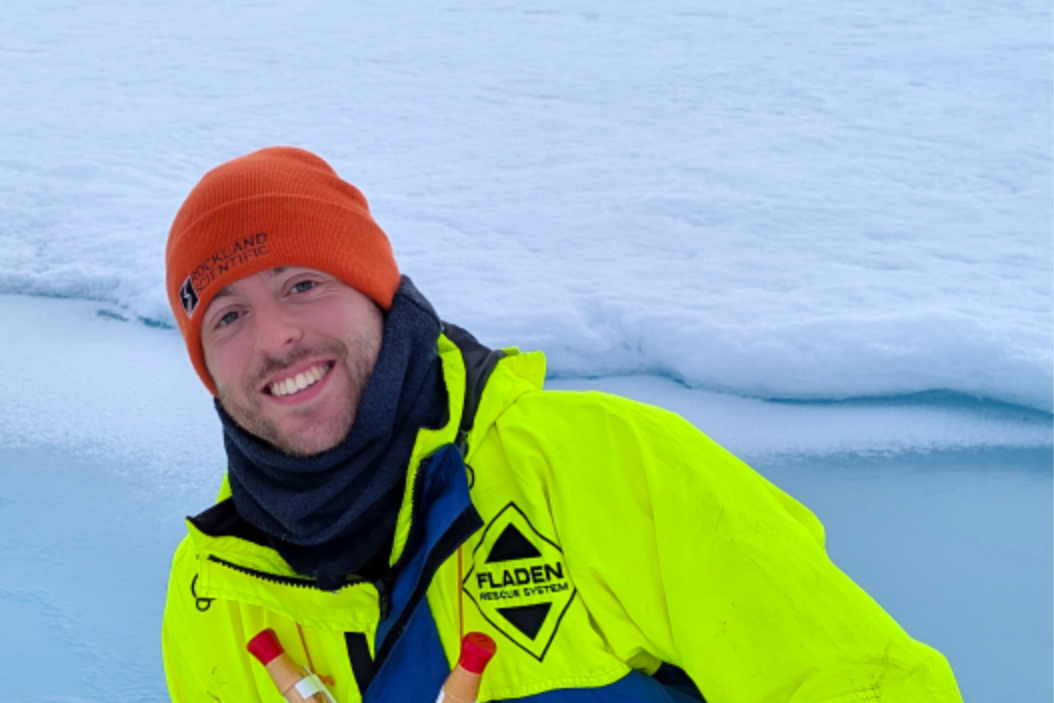
Vincent Doriot – Department of Marine Sciences, University of Gothenburg, Sweden
Vincent completed his Master’s degree at Météo-France in Toulouse and is currently a PhD student. His research focuses on the surface boundary layer, where he uses underwater gliders to investigate submesoscale processes. During the WHIRLS cruise, Vincent will be part of the robotics team, contributing to the deployment, piloting, and recovery of instruments. Outside of his research, Vincent enjoys wildlife photography and is excited to discover the species living in the Agulhas region!
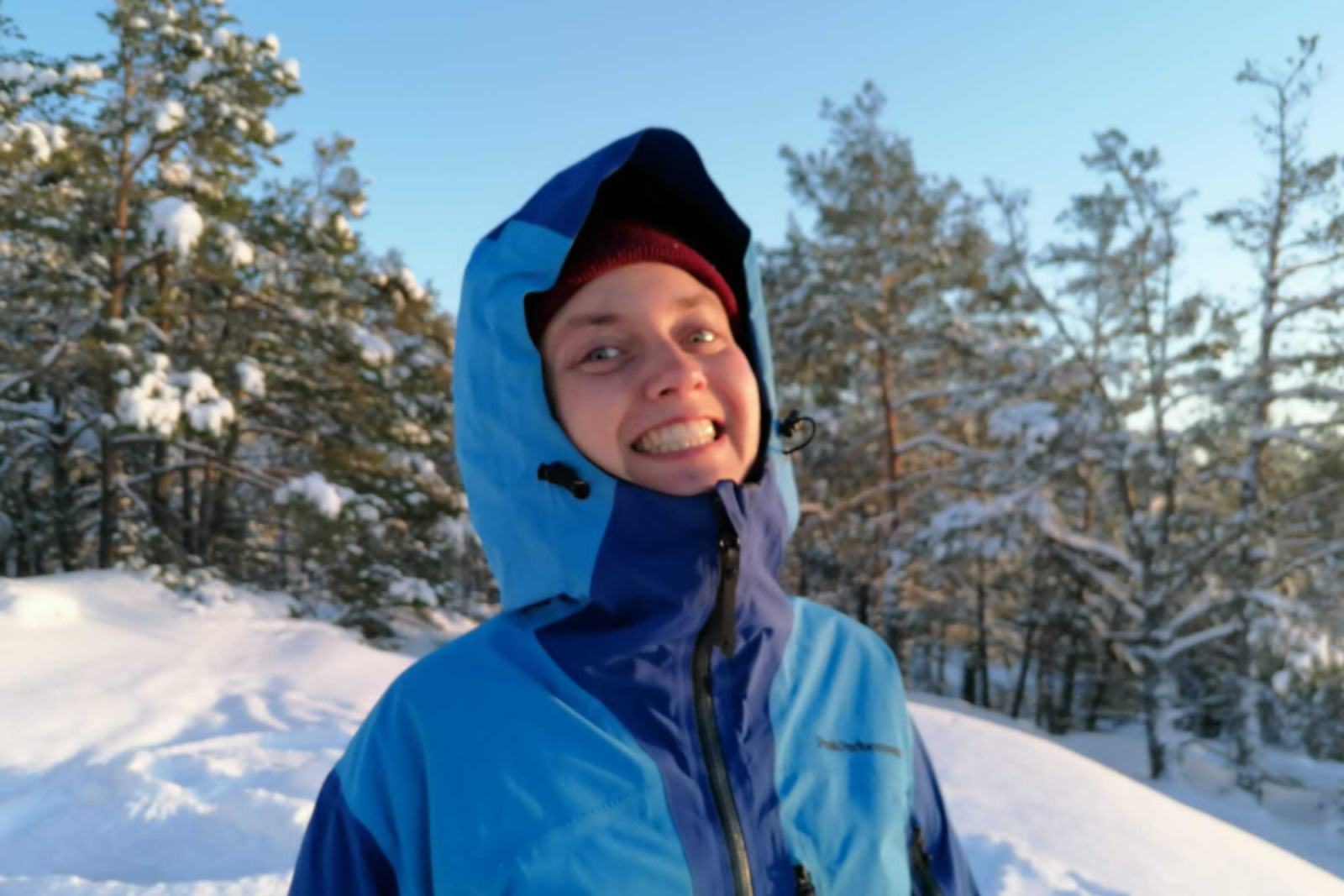
Emma Fahraeus– Department of Oceanography at the University of Cape Town, South Africa
Emma’s PhD research interests lie at the interface between physical oceanography, biogeochemistry, and biology. She is looking into how fine-scale features and physical processes impact both biogeochemical reactions and the composition and distribution of planktonic groups. Her project is split between laboratory-based work at the University of Cape Town and the analysis of physical processes at ENS-LMD.
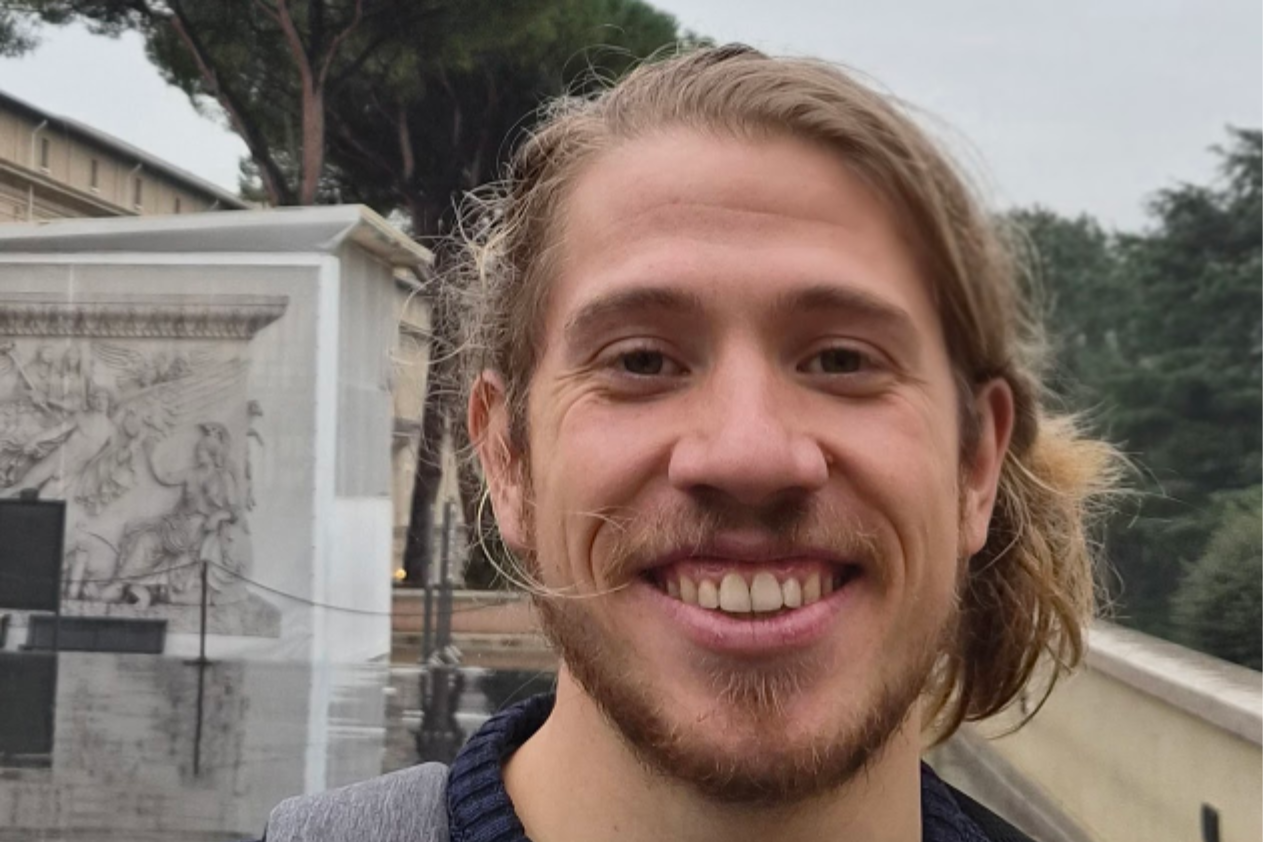
Felix Rodriguez-Rasmussen – GEOMAR Helmholtz Centre for Ocean Research, Kiel, Germany
Felix’s research focuses on the application and development of machine learning methods to detect submesoscale dynamics and investigate their impact using the output of ocean simulations that do not explicitly resolve fine-scale physical processes. The goal is to translate these insights into parameterisations for coarser-resolution models. Owing to its high submesoscale activity and its significance for large-scale ocean circulation, the Agulhas region serves as an ideal study area.
Mariana Miracca Lage – Department of Marine Sciences, University of Gothenburg, Sweden
Her scientific curiosity spans from large-scale ocean dynamics to small-scale turbulence, from sailing boats to deploying ocean gliders, and from biophysical processes to air-sea interactions. Within WHIRLS, her post-doc research focuses on mixed-layer dynamics and the turbulent characteristics of submesoscale fronts and filaments using autonomous platforms, exploring their role in modulating air-sea fluxes. She is also interested in vertical tracer fluxes and the connection between the surface and the deeper ocean. Outside of research, Mariana enjoys running, long brunches with friends, and planning her next trip.
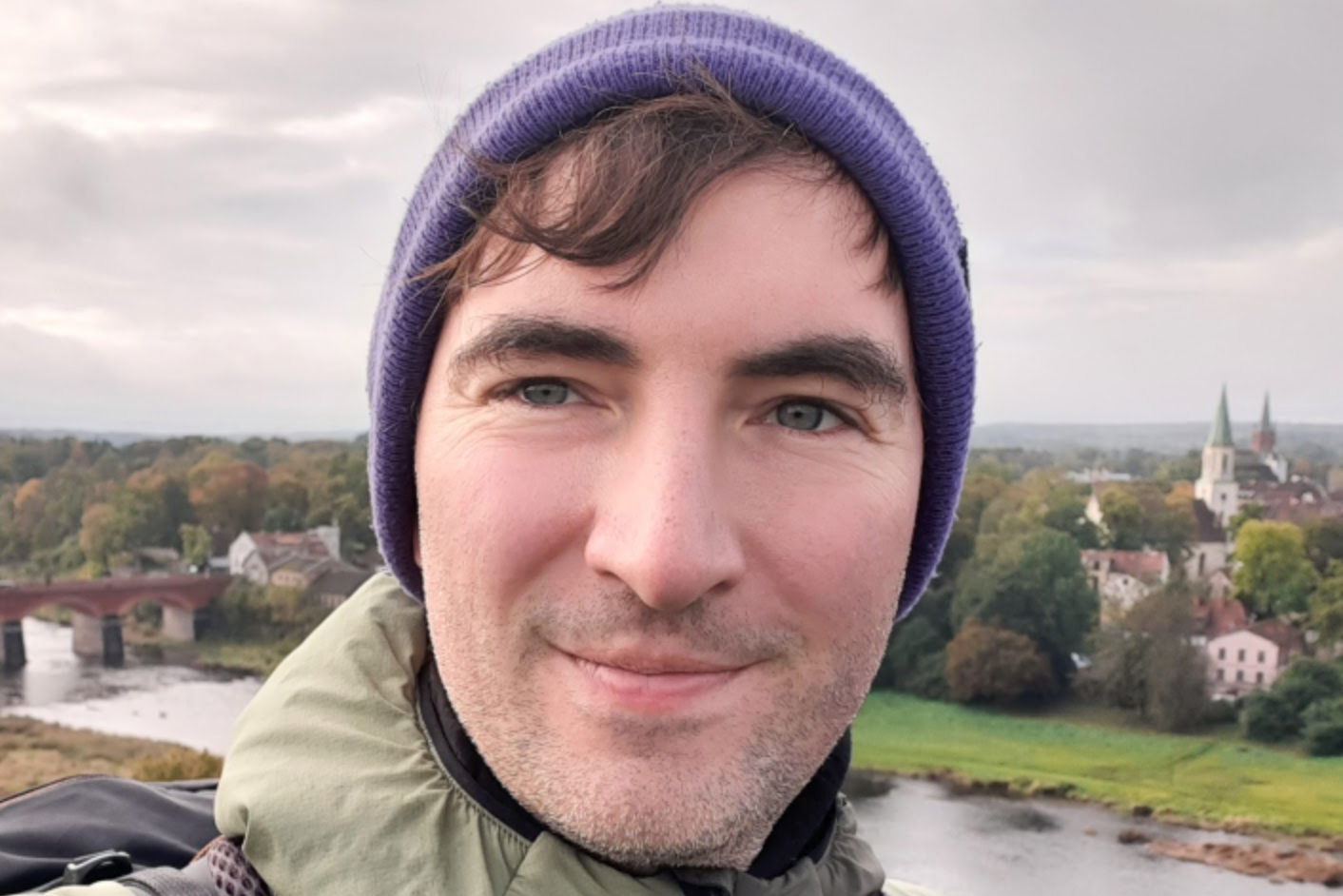
René Schubert – GEOMAR Helmholtz Centre for Ocean Research, Kiel, Germany
René works on submesoscale ocean dynamics and associated air-sea interactions. He is a whirl-enthusiast and investigates the role of the centrifugal force on the oceans’ movement. For his works, he mainly analyses numerical model output and satellite observations. Furthermore, he designs and runs coupled ocean-atmosphere model simulations for the project.
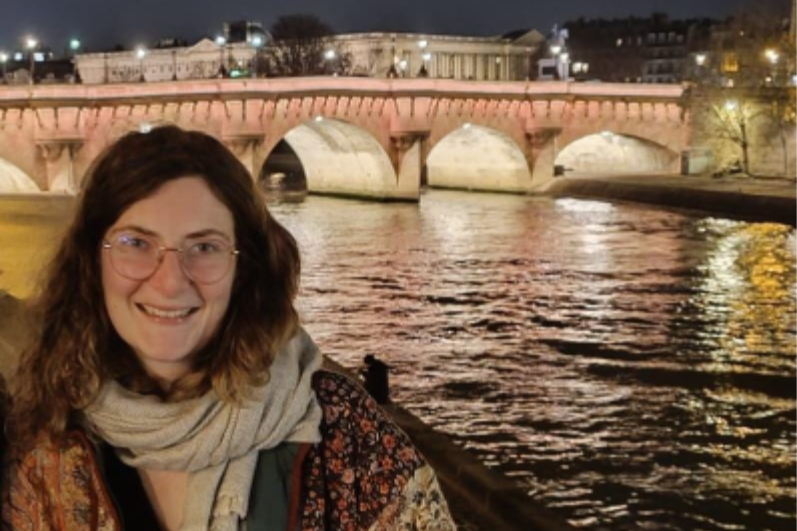
Solange Coadou – Ecole Normale Supérieure, Paris, France
Solange is a joint PhD student between ENS and the University of Gothenburg, so you’ll find her in France, Sweden, or on a train somewhere in between. Her research uses in situ observations from autonomous platforms and satellite products to study upper ocean fine-scale dynamics. Within the WHIRLS project, she reconstructs vertical velocities to better understand the transport of properties from the upper layers to the ocean interior. Solange also enjoys public outreach to raise awareness about the fundamental science behind climate change.
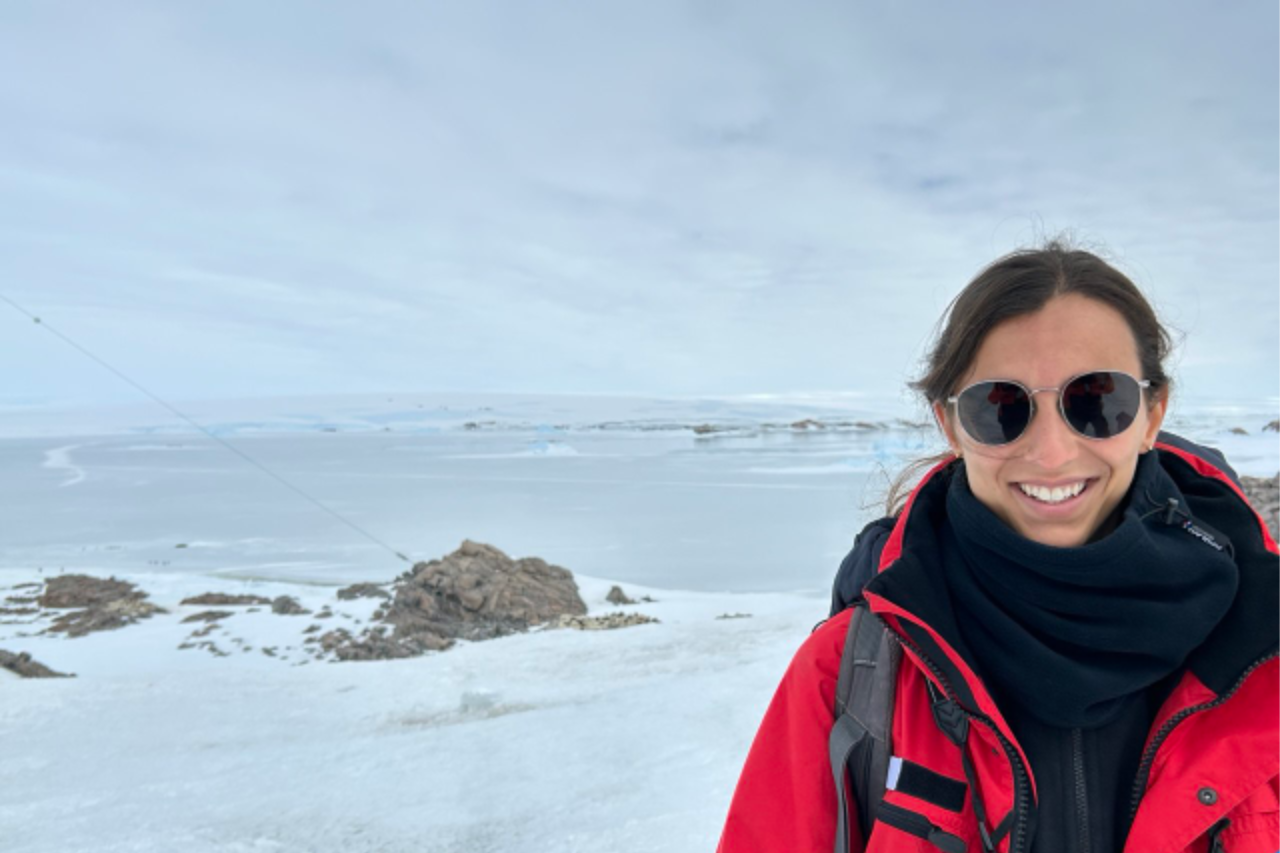
Elisa Carli – European Space Agency, Frascati, Italy
Elisa is a nature enthusiast passionate about all Earth systems and driven by interdisciplinary, international teamwork. As an Internal Research Fellow, she studies high-resolution surface currents from the SWOT satellite to reconstruct vertical velocities in the Southern Ocean, using integrated datasets to deepen our understanding of three-dimensional ocean dynamics. In parallel, she combines multi-satellite information to optimise the sampling strategies of the ships and autonomous platforms involved in the WHIRLS field campaign 2026.