

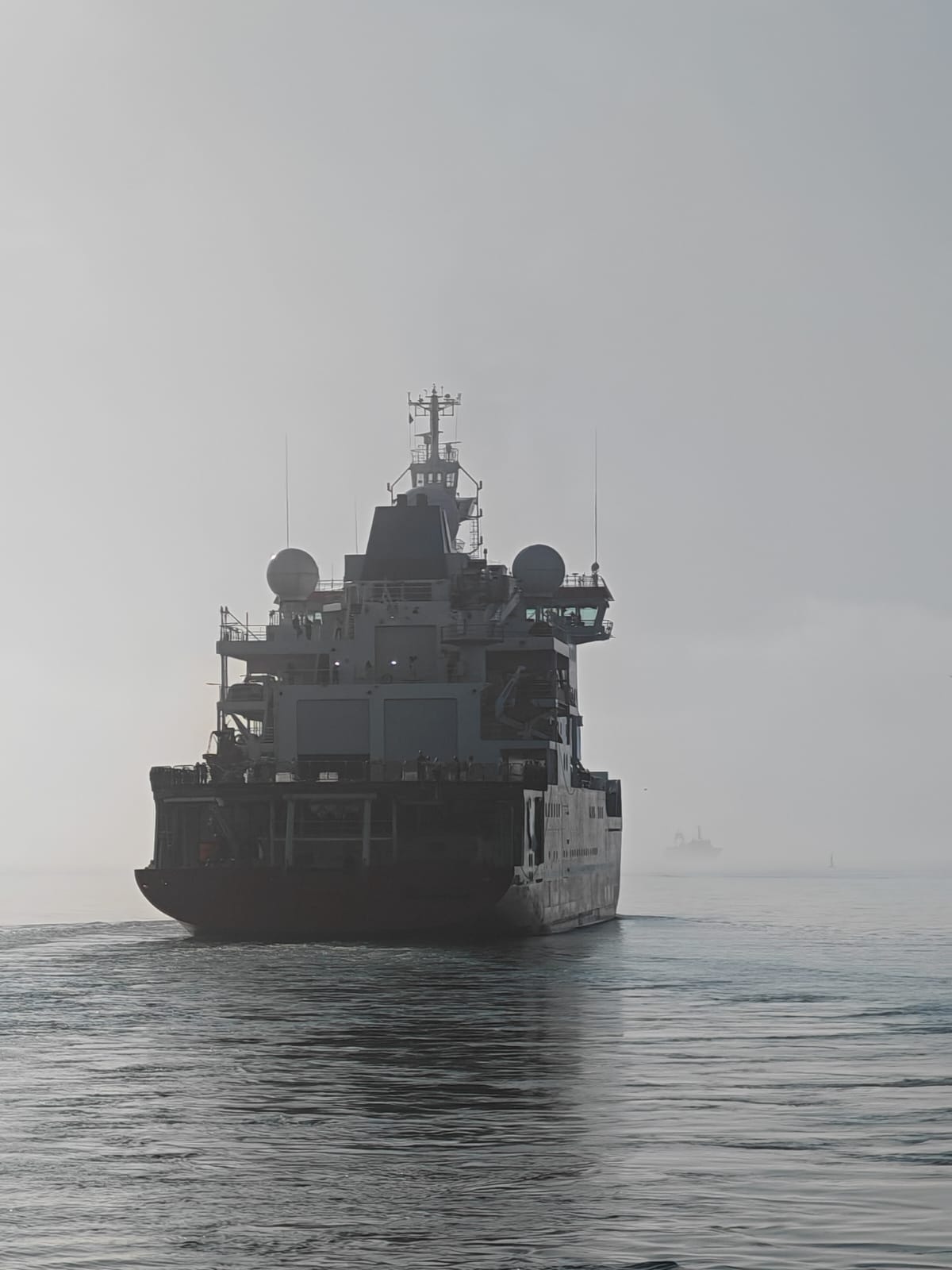
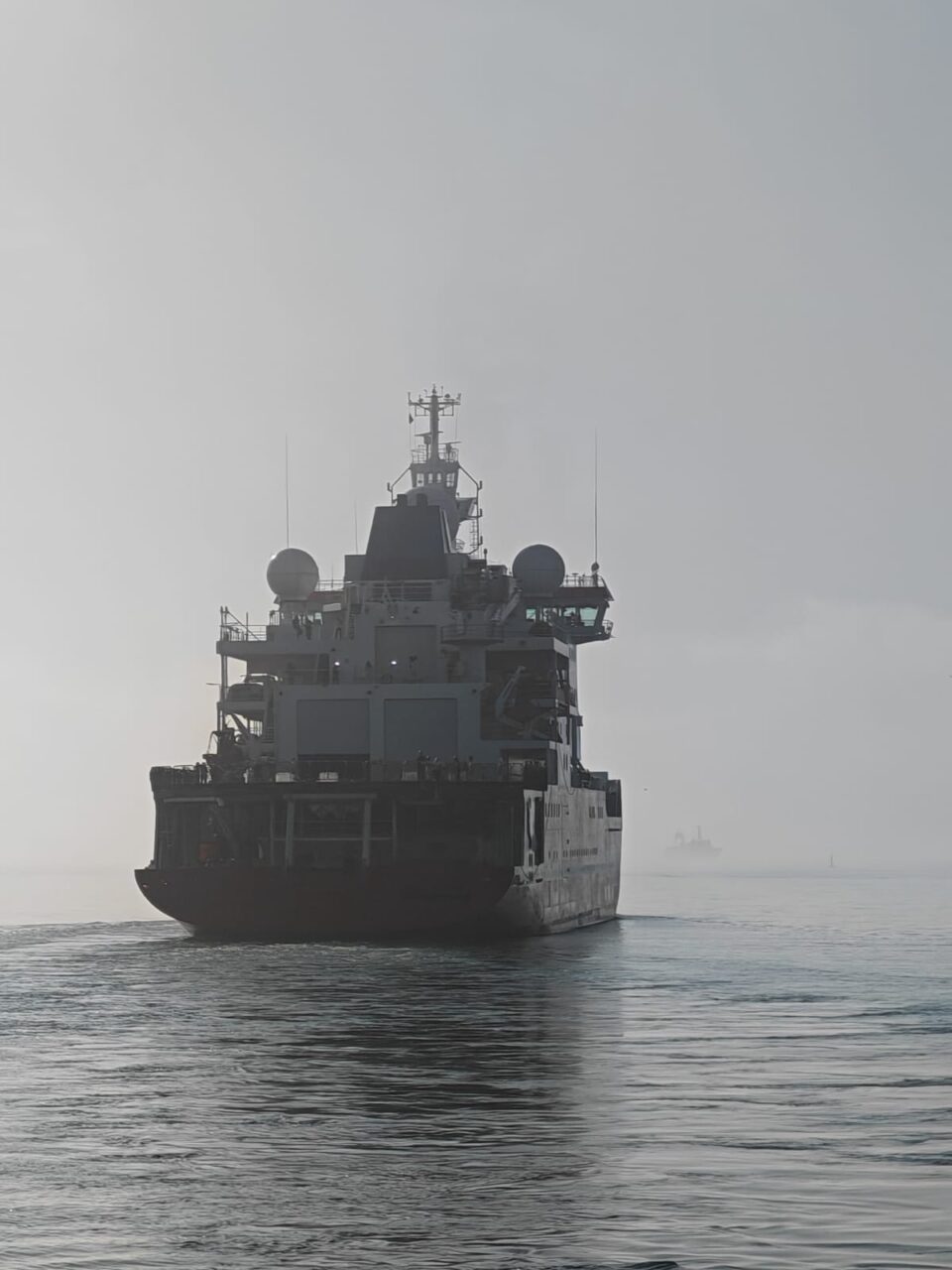
The Cape Basin, just west of the Agulhas Retroflection, is a unique region of the world’s ocean, where an energetic exchange of water masses occurs by strong mesoscale eddies that spawn off the Agulhas Current.
At the boundaries of these large mesoscale features, the ocean has a fingerprint of fine-scale structure, with whirling eddies and intertwined filaments now being recognised as a fundamental component for coupling physics and biogeochemistry and linking the swirling ocean to the state of the climate.
We have long known of the existence of fine-scale processes. Astronaut Scully-Power of the Apollo missions said in 1986, “The almost ubiquitous occurrence (of spiral eddies), whenever submesoscale dynamics was revealed in the sunglitter, indicates that they are perhaps the most fundamental entity in ocean dynamics at this scale. The difficulty is in explaining their structure.” This difficulty still exists today, 40 years down the line. While progress has been made, observation remains limited because of instrumental capabilities and the ephemeral nature of in-situ measurements, especially in winter in such an energetic and demanding environment.
A multi-disciplinary and international team with wide experience at the interface between modeling, physics and biogeochemistry will join the WHIRLS’s campaign to gather unique datasets to respond to some of the scientific questions still open for the understanding of fine-scale dynamics and their role in the climate system.
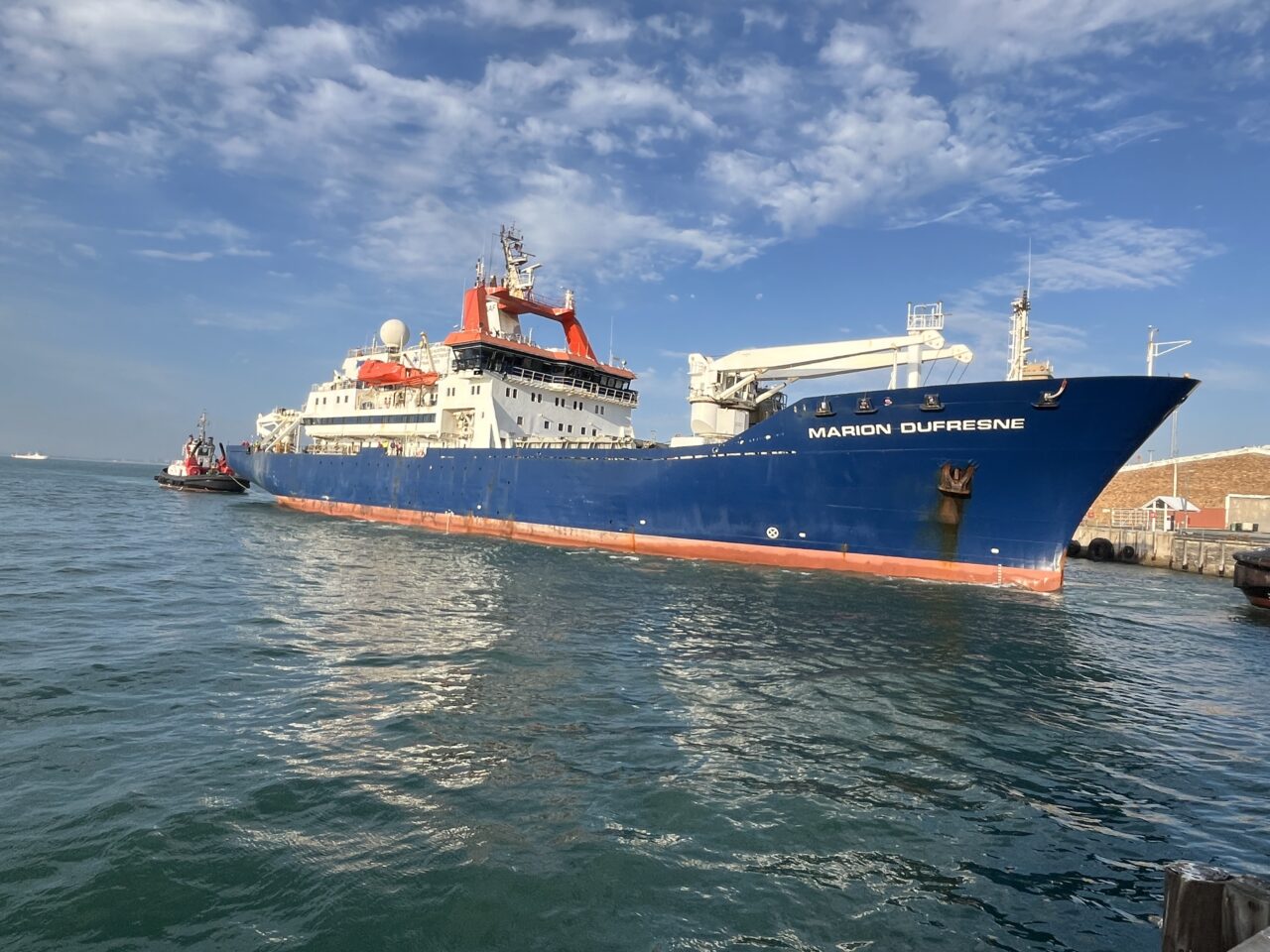
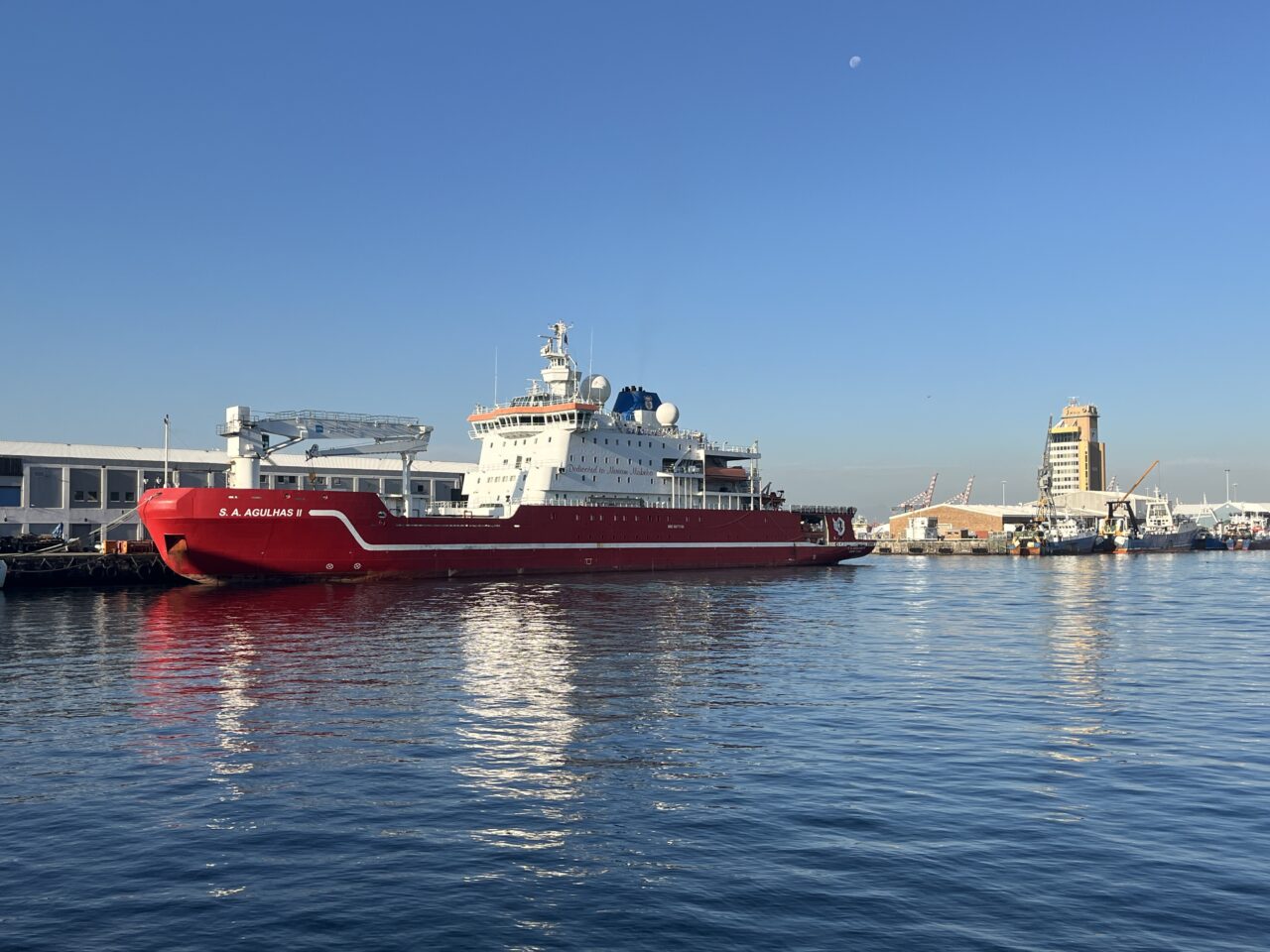
We’ve set sail!
The WHIRLS field campaign takes place in late June and July 2026, with two world-class research vessels – Marion Dufresne and S.A. Agulhas II – synergising to intensely characterise the physical-biological state of the ocean fine-scale and rapidly evolving atmosphere above.
Advancing scientific knowledge and deepening our understanding of the ocean’s role in climate are central to the expedition. Scientists across all career stages will come together to drive scientific progress and innovation, delivering an updated perspective on climate-critical processes by integrating disciplines and methodologies including nitrogen cycling, fine-scale physics from MVP profilers and ocean gliders and USVs, atmospheric drones, and ocean surface state from satellite observations (SST, SSH, SAR, and more).
The target region – the Cape Cauldron – is the optimal testbed for the proliferation of fine-scale dynamics. It’s the melting pot where warm, salty turbulent Agulhas waters meet the cold, fresh Atlantic. Consequences of the water exchange are felt from the deep ocean to the upper atmosphere, such as the intensification of storms on their journey to the southern coast of Africa, or the upwelling of nutrients from the deep ocean to where hungry phytoplankton can access it.
The field campaign is not standalone. A key aspect of the observations is how these are integrated with intense high-resolution modelling efforts that aim to develop a coupled ocean-atmosphere simulation of the region at 1/100 resolution. Expanding the localised observations to the regional model will be fundamental for our true understanding of how fine-scale dynamics regulate the ocean and climate.
We look forward to conducting this exciting research and sharing our journey with you! Check back regularly for more blog posts and follow us on Instagram for behind-the-scenes footage.
Authors: Marcel Du Plessis and Elisa Carli