

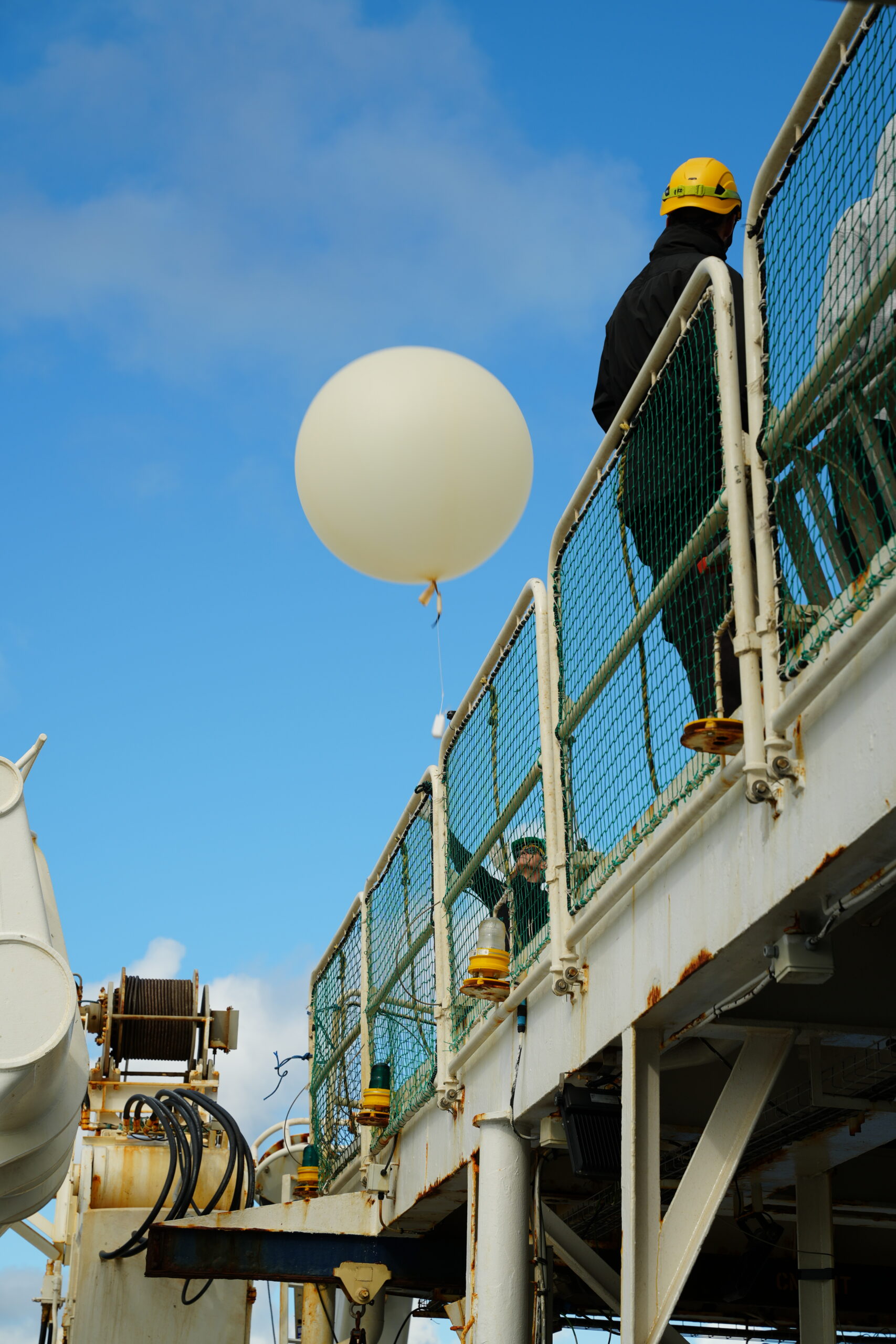
The idea of launching balloons to measure atmospheric properties has been explored since 1909. Before that time instruments were carried aloft by aircrafts, manned hot-air balloons or attached to kites, which could only reach up to 5km altitude. Now, meteorological balloons are launched all around the world twice a day. These balloons, filled with helium, rise up in the sky bringing sensors that can measure temperature, pressure and humidity. In their ascent, they are carried around by the wind and they can travel for up to 200 km horizontally and roughly 30 km vertically. These devices are called radiosondes, because they measure the physical properties of the atmosphere and send their data via a radio link. Radiosondes collect crucial observations that inform numerical weather prediction models, which deliver all the weather forecasts that we like to look at in our daily lives.
During the WHIRLS campaign, we are launching six standard, 1.5m diameter-wide radiosondes per day for the entire duration of the campaign. We do so to continuously monitor the evolution of the troposphere, which is the layer where all weather phenomena take place. In particular, we want to see how the atmospheric vertical structure evolves, how it is influenced by the state of the upper ocean and how it exchanges energy with it. These deployments will provide crucial data over the South Atlantic, a region that is historically undersampled.
The lower atmosphere and the upper ocean biome evolve rapidly on spatial scales of the order of 10km, which are the target scales of our campaign. Therefore, when we cross features such as oceanic fronts, to which the atmosphere reacts quickly, we carry out intensive observation periods of hourly launches to achieve a suitable coverage. To this end, we brought onboard a new, smaller version of radiosondes, able to reach about 10 km above sea level using helium balloons the size of a very big pumpkin, rather than the larger standard balloons. Their small size and high portability make them a great tool to measure atmospheric profiles frequently without the need of a large amount of helium.
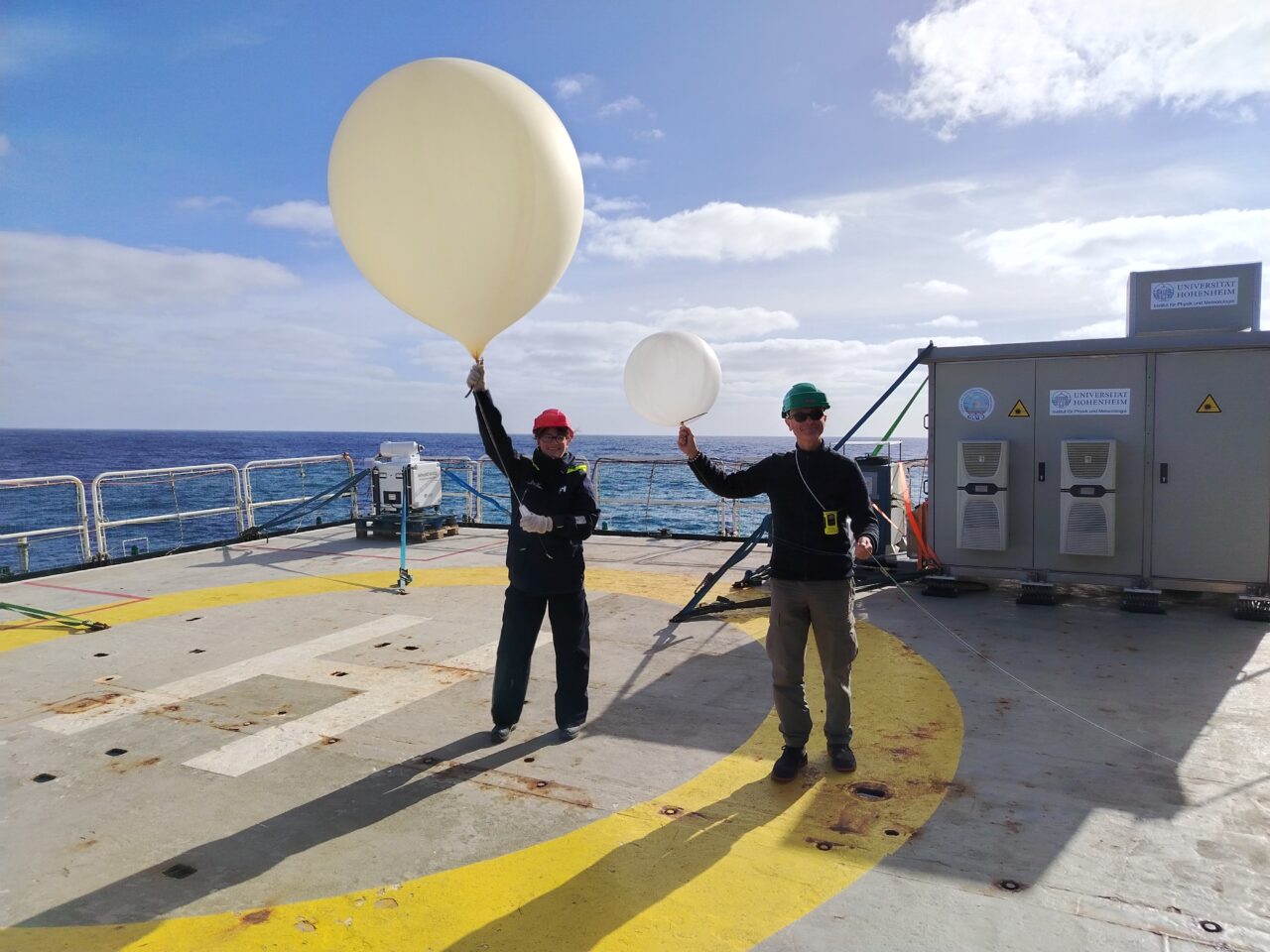
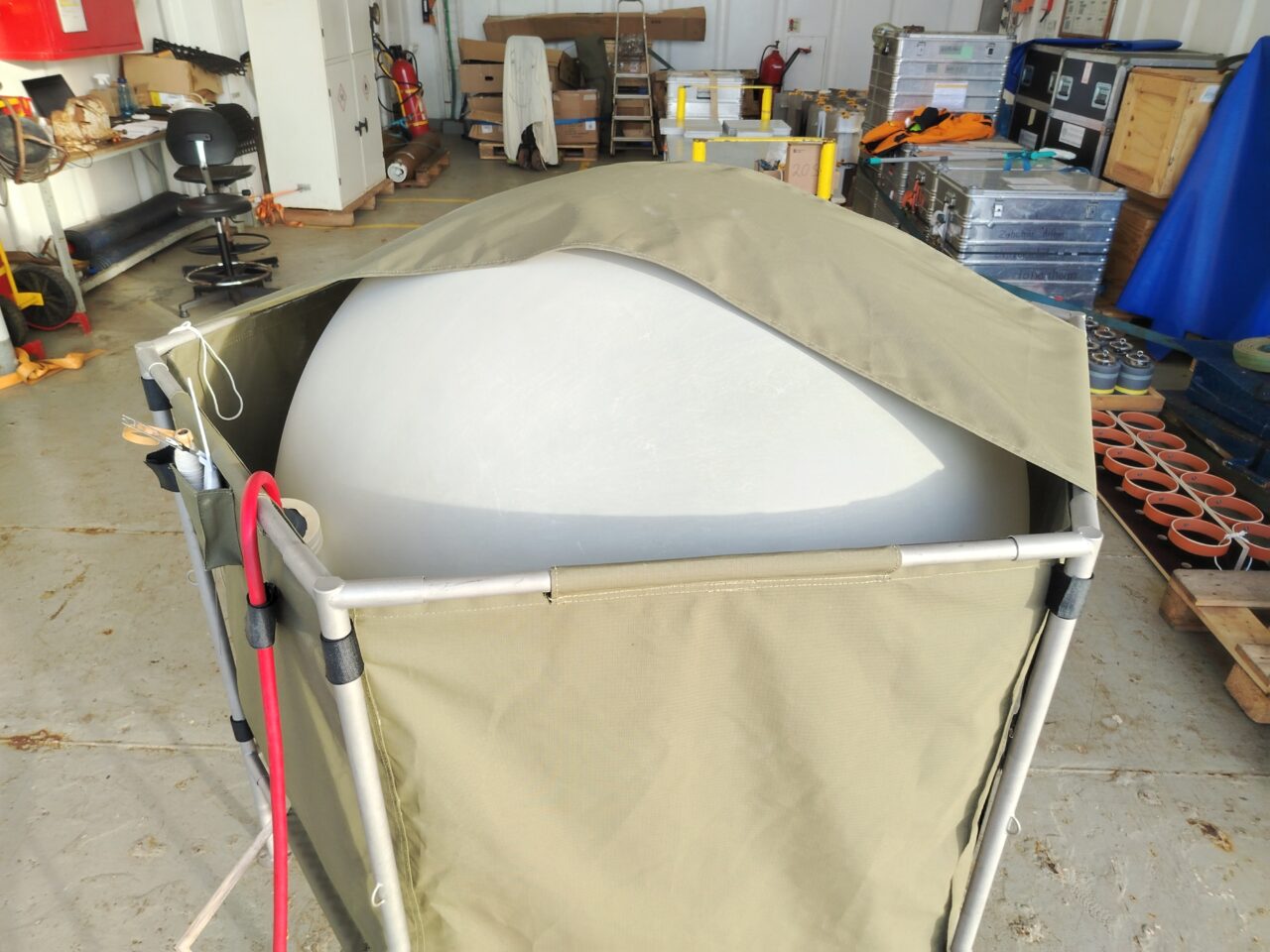
Launching balloons is quite fun. Maybe we like it because it reminds us of playing with colorful balloons when we were kids. However, handling them can be quite tricky: balloons are better not touched with bare hands as the natural grease of our skin increases the risk of early popping; once inflated, they can move around freely and eventually escape, especially in rough weather conditions, hence the need for a shelter that keeps the balloon in place; and finally strong precipitation and downdrafts can compromise their ascent. For sure, it is nice to see them flying high in the sky, reaching quite impressively cold temperatures (-60 °C) and freely exploring the immense thin layer of gases that makes life on earth possible. And then they pop, and start their free fall, sending us precious data until their last moment.
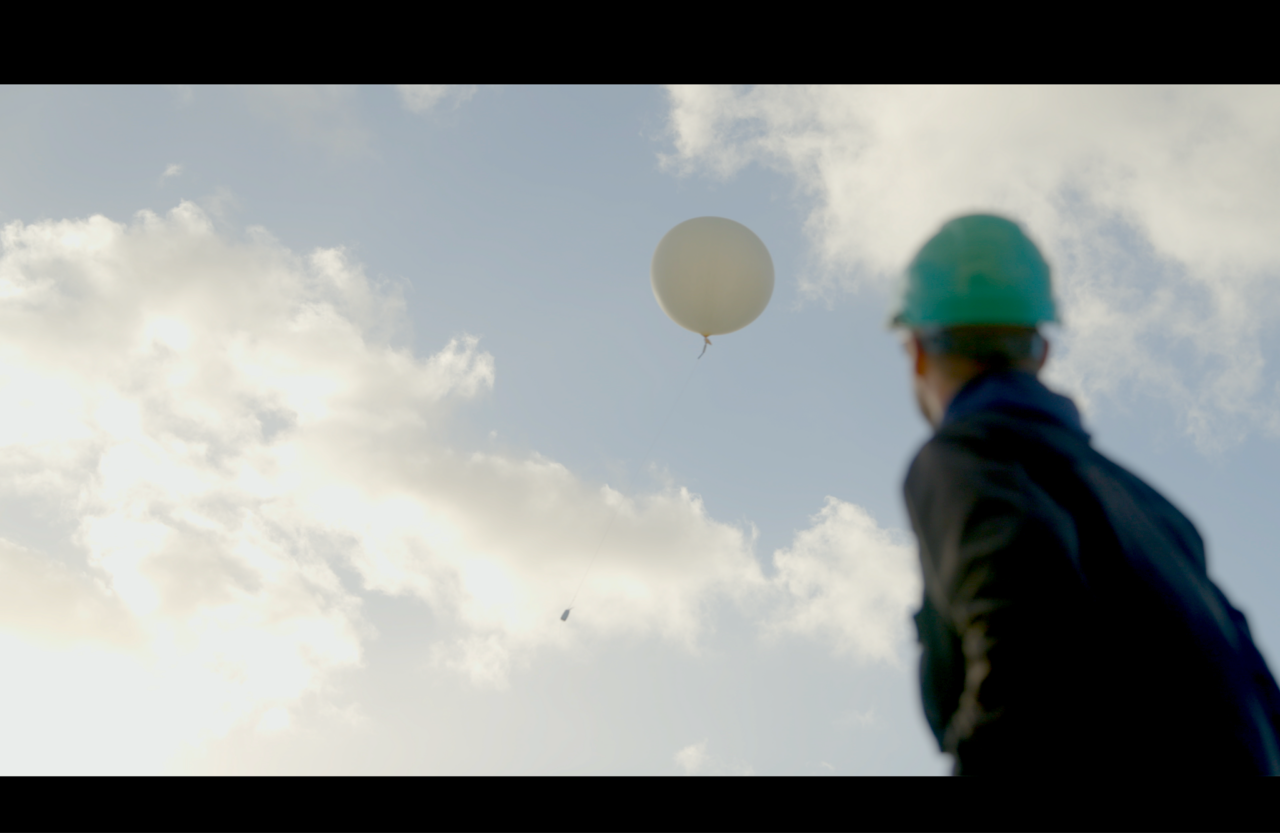
Featured image: Preparing to launch a radiosonde. Photo credit: Siann Bergbaum
Authors: Agostino N Meroni, Beatrice Altamura, Lorenzo F Davoli